Jump to Navigation

Tampa Bankruptcy Law Blog

Potential settlement over misleading foreclosure practices

Some of the largest and most powerful banks in the United States, including Citibank, JPMorgan Chase, Bank of America, Wells Fargo, and Ally Financial, may be on the verge of reaching a settlement over what have been deemed misleading foreclosure practices. Negotiations on behalf of the government are being conducted by a number of state attorneys general, including Florida Attorney General Pam Bondi.

Some homeowners across the country have lost their homes because they were taken advantage of during the foreclosure process. Abuses included companies neglecting to check the accuracy of information and the illegal practice of "robo-signing," which involves the forging of signatures on foreclosure documents.

Peta seeks OJ Simpson's Florida house in foreclosure action

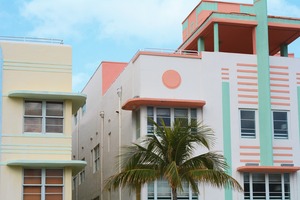
A single Florida home has caught a multitude of attention after the owner went into default on his mortgage. The home is located in Miami and the owner owes approximately $720,000 on the mortgage. JP Morgan Chase Bank has filed an action to foreclose the property in a Miami-Dade County court.

The owner of the home is OJ Simpson, a man who has had a less than quiet past. With the home in foreclosure, Simpson does not have the same ownership rights to his home. Knowing that, the advocacy group People For the Ethical Treatment of Animals has asked the JP Morgan's CEO Jamie Dimon to donate the home to their cause.

Creditors using deceased debt confusion to harass family members

In some societies past, the debt obligations of the father were passed along to the son. Children were often burdened by family debts. This practice has passed, but debt collectors use the confusion between what they can collect and who they can collect it from, sometimes crossing the line from legal collection to unlawful creditor harassment of family members.

The practice of collecting debts of the deceased is not an illegal practice in Florida, but there are guidelines regulating what can be collected and who it can be collected from. Guidelines issued in a Federal Trade Commission policy set out some of those rules.

Could I face Florida foreclosure if my husband's ex fails to pay?

Second marriages are more successful if both parties pay close attention to financial details, especially as they relate to financial contracts incurred during a first marriage. For example, in Florida, if one ex-spouse is behind on mortgage obligations, and if their ex-spouse remains legally obligated for that debt, both may be subject to collection activities. This should be a concern to engaged couples as they plan a future together.

One question often asked is whether or not a divorced person can be held accountable for marital debts that were divided in a divorce decree. The answer is yes, they are still responsible unless they have been properly removed from that obligation. The details of the divorce agreement do not supersede financial contractual agreements made while married. If their ex falls behind on mortgage payments or on a second mortgage, a new finance may arrive at the altar of a second marriage with heavy financial baggage.

Homeowners should beware of mortgage modification scams

Statistics reveal that in 2011, more than 750,000 homeowners received default notices. Almost as many homes were repossessed. Unfortunately, many Florida homeowners continue to face default and remain at risk of losing their homes to foreclosure. Simply put, our country is facing a terrible mortgage and foreclosure crisis that as of yet has shown little sign of stopping.

Unfortunately, because scam artists are eager to take advantage of unsuspecting and vulnerable victims who are desperate to keep their homes, people whose mortgages are in trouble may be particularly at risk of losing even more money, and being left in a position in which they are more likely to lose their home, after they are taken for a ride by a scammer.

Florida foreclosure process remains under extended legal management

Standing amid metros like New York and Illinois, the State of Florida has experienced a steady increase in foreclosure rates throughout the 2011 calendar year. At 2.8 percentage points, Tampa, Florida endured the highest increase of three cities. Chicago came in at 2.3 and New Your City trailed the three at 2.1. The period of measurement stretched from December 2009 to June 2011.

Nationwide for the same time frame, the occurrences of serious mortgage delinquency slowed down. Data displayed at Foreclosure-Response.org presents an average foreclosure rate that lingered at 5.5 percent throughout the final three quarters of the study period. Yet Florida, New York and Illinois remain in a situation that requires extended judicial involvement in foreclosure proceedings.

Some creditors ignoring debts discharged in bankruptcy

Bankruptcy lawyers are busier than ever these days, as tough economic times hit consumers hard in their pocketbooks. In Florida, and across the country, bankruptcy filings by about 1.4 million citizens are up this year as roughly $120 billion in debt move into Chapter 7 and Chapter 13 proceedings. Debt collection violations are surfacing as some unscrupulous creditors overstep the law and continue to plague consumers who have already received bankruptcy discharge of debts.

Weary consumers may be harassed by debt collectors and creditors even after they take the financial step to declare bankruptcy. Some, like Capital One Financial Corporation, continue to notify customers that the company is suing for old debts. Just when the consumer is getting a breather from their bad debts, unexpected creditor calls can get worse, causing much emotional distress.

More mortgage owners donating homes to charities

The housing crisis has surely hit Florida harder than many states. Although we have discussed the high rates of foreclosures in the area, there are many families who are current on their mortgage payments but know that the status will not last for long. So many homeowners across the state live in homes that they know they cannot afford but feel like they are stuck with no solutions.

In many of our posts, we have mentioned "discussing your options" with an attorney when struggling financially. It is amazing at times what options exist that most of the public is unaware of. For instance, many homeowners across the nation have chosen to donate their homes when they cannot sell them.

Exposing the Chapter 7 bankruptcy myths for Florida residents II

In the first post of this two-part series, we discussed two major myths surrounding Chapter 7 bankruptcy. The first myth that was exposed was that everyone in your life will know when you file for bankruptcy. The second myth that was exposed was that the process would leave you with nothing.

In this post we will cover other myths, including credit, complications, stereotypes, taxes and repeat assistance. Many people believe that filing for bankruptcy means he or she will never receive a credit line again. FALSE. While many bankruptcies are filed by individuals with bad credit, the fresh start allows individuals to rebuild their credit. Many people are surprised at how quickly the credit card offers begin landing in mailboxes once again.

Exposing the Chapter 7 bankruptcy myths for Florida residents

When it comes to options for solving financial troubles, Chapter 7 bankruptcy often gets a bad rap. Many Florida residents fear filing for bankruptcy because of supposed "facts" which are either complete myths or small truths that are blown completely out of proportion by societal participants who do not understand the process.

In this post and the next in the two-part series, we will expose some of those myths and correct some false statements that have been made. Filing for bankruptcy should not be feared because it is often the best option for families or individuals struggling financially.

Law Offices of Robert M. Geller
807 West Azeele Street
Tampa, FL 33606
Local: 813-217-5663
Toll Free: 888-409-9526
Fax: 813-253-3405
Map and Directions

Satellite office
125 5th Street South
(Wachovia Financial Center)
2nd Floor, Suite G
St. Petersburg, FL 33701
Local: 727-532-3939
Map and Directions

Do You Have a Case?

Bold labels are required.

Contact Information
disclaimer.

The use of the Internet or this form for communication with the firm or any individual member of the firm does not establish an attorney-client relationship. Confidential or time-sensitive information should not be sent through this form.

close